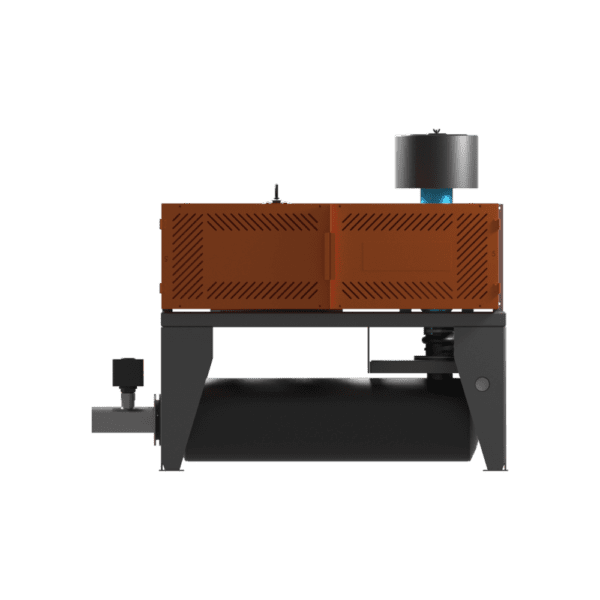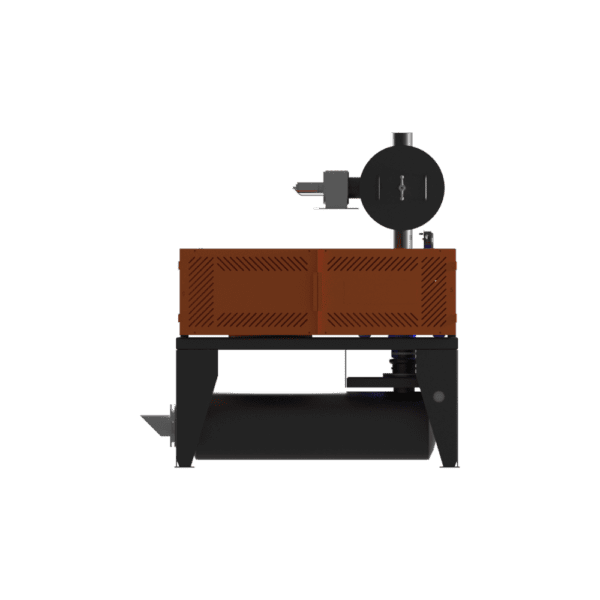

When pneumatically transferring materials from point A to point B, we utilize either dilute or dense phase material handling technologies with vacuum or pressure to power our transfer solutions.
DENSE PHASE TECHNOLOGY
In dense phase systems, materials convey without being suspended. This occurs when the conveying air stream is between 1,200 to 2,000 feet per minute or below the minimum saltation value. Dense phase transfer generally utilizes pressure technology and is gentler when moving materials than other transfer methods.
Batch Dense Phase
In batch dense phase systems, material is conveyed from a pressure vessel to its destination at controlled speeds. These systems are capable of high conveying capacities over long distances and are well suited for abrasive materials.
ConTran Continuous Dense Phase
When crushing or impact could negatively affect your materials, we rely on our proprietary ConTran continuous dense phase transfer technology. ConTran uses a vacuum-throttling valve that accurately maintains a constant ratio of material-to-air mass flow. As a result, the system minimizes breakage and fines – all with less energy consumption compared to other technology. These systems are typically used with materials that are susceptible to sliding or rolling degradation, or where material segregation is a concern.
VACUUM OR PRESSURE TECHNOLOGY
Vacuum systems use negative air pressure to convey materials while pressure systems use positive air pressure to convey materials. Like any system, there are advantages and disadvantages to these configurations:
Vacuum
Advantages:
- Leaks are inward
- Flexibility at material pickup points
- Ability to incorporate more pick-up points than other systems
- Easier to handle heat sensitive materials
- No airlock blow-by to account for
Disadvantages:
- More expensive than a pressure system
- Unable to efficiently handle moisture
- Limited flexibility at material discharge points
- Long conveying distances or high convey rates are expensive
Pressure
Advantages:
- Easy discharge to several destinations
- Higher conveying capacity
- Able to convey longer distances
- Moisture or oxygen sensitive materials are handled easier
Disadvantages:
- Pressure may cause material to leak outwards
- Lower flexibility at the material pickup point
- Pump generates additional heat
- Multiple pick-up points are expensive
- Must account for airlock blow-by air
DILUTE PHASE TECHNOLOGY
In dilute phase systems, materials are suspended in the conveying air stream. This happens when materials transfer at velocities above the saltation, or minimum suspension velocity, of the material – usually air velocities of 3,200 to 7,000 feet per minute. Because of these rapid speeds, this method is typically used to convey materials that are not susceptible to degradation or not abrasive in nature. The type of material you are conveying, how far the material is being conveyed or the condition the material is in when conveyed, will determine which application is right for you.